
Home Secretary Shabana Mahmood has defended the decision not to exclude rapists and other sex offenders from the early release scheme at the outset, after victims raised fears about their safety.
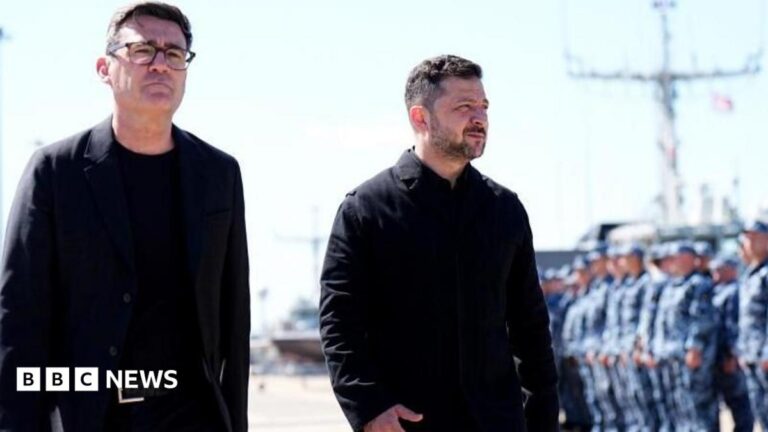
The scheme was paused by Andy Burnham following public anger over the release of prisoners including one of the killers of PC Andrew Harper and one of Daejaun Campbell’s killers. A review is expected to be published when Parliament returns in September, while the wider plan is still expected to proceed in October.
The Prime Minister has since removed the right of people convicted of rape, serious child sex offences and grooming to have their prison sentences reduced under the scheme. That change followed campaigners delivering a letter to Parliament and speaking publicly about the concerns of victims.
Early release scheme was introduced amid prison overcrowding
The early release scheme began in September 2024, with the stated aim of easing overcrowding in prisons. Under the current rules, some prisoners can be released after serving 40% of a fixed-term sentence, rather than the usual 50%.
The 2026 Sentencing Act, which became law earlier this year, allows the scheme to be expanded by reducing the qualifying threshold from 40% of a fixed-term sentence to one third.
Mahmood said there had been fewer than 80 prison places available across England and Wales during her first week in September 2025. She argued that ministers had been forced to make decisions to prevent the criminal justice system from reaching a point of complete failure.
“Nobody ever wanted to be in the position of having to release anybody earlier in their sentence than might otherwise be the case,” she told The Times.
Mahmood said the most serious possible outcome would be for the prison system to run out of space altogether. In that situation, she said, police would not be able to make arrests, trials would not take place and the criminal justice system would collapse.
“I had to make choices that were about getting the system away from collapse and trying to get to a more sustainable position in the future,” she said.
Victims raised concerns about offenders’ possible release
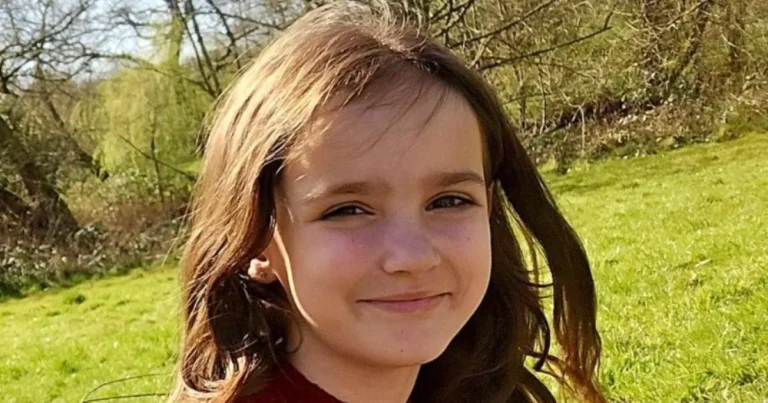
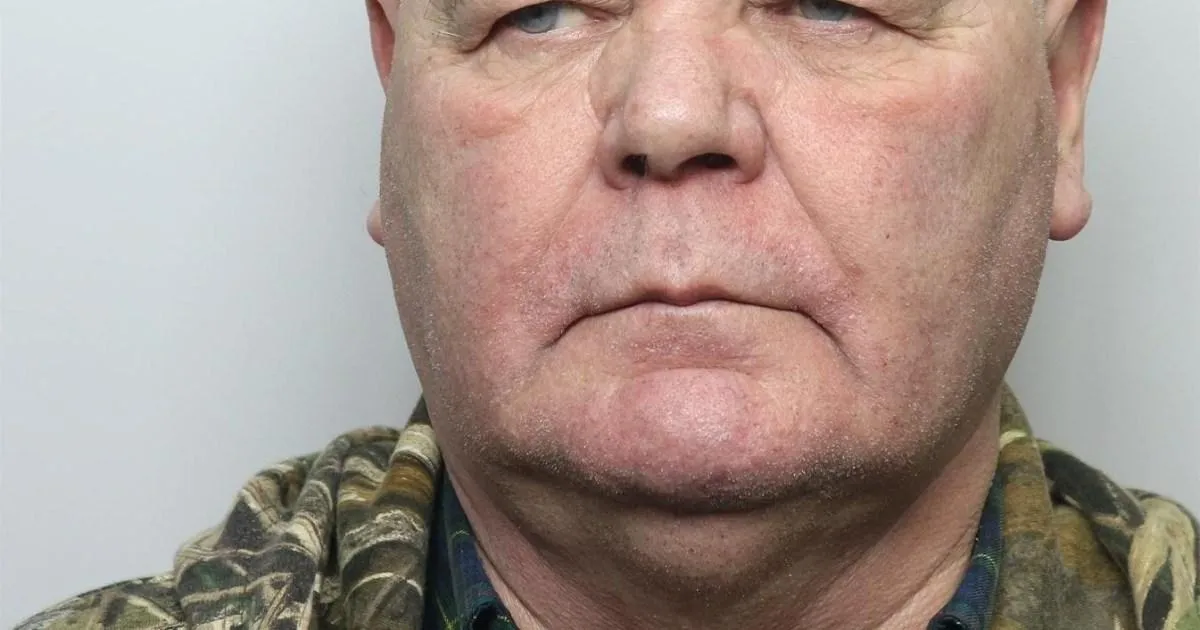
The controversy intensified after Carol Higgins, now a mother of two, was told that her father, Elliott Appleyard, was being considered for release after serving about a quarter of his 20-year sentence. Higgins said receiving the information had left her feeling overwhelmed and physically shaken.
She said the prospect of his release had made her feel “completely worthless”, describing the reaction as similar to how she had felt during years of abuse.
After the intervention that paused the plans, Higgins was told Appleyard would most likely remain in prison. She responded with what was described as tears of “joy and relief”.
The changes mean that those convicted of rape, serious child sex offences and grooming will no longer be eligible for sentence reductions under the early release scheme. However, the review of the wider policy is still due to be published after Parliament returns, with the planned October timetable expected to remain in place.
The government’s position leaves the policy under scrutiny as ministers attempt to address prison overcrowding while responding to concerns from victims and campaigners about the early release of people convicted of serious offences.
Source: Metro News