

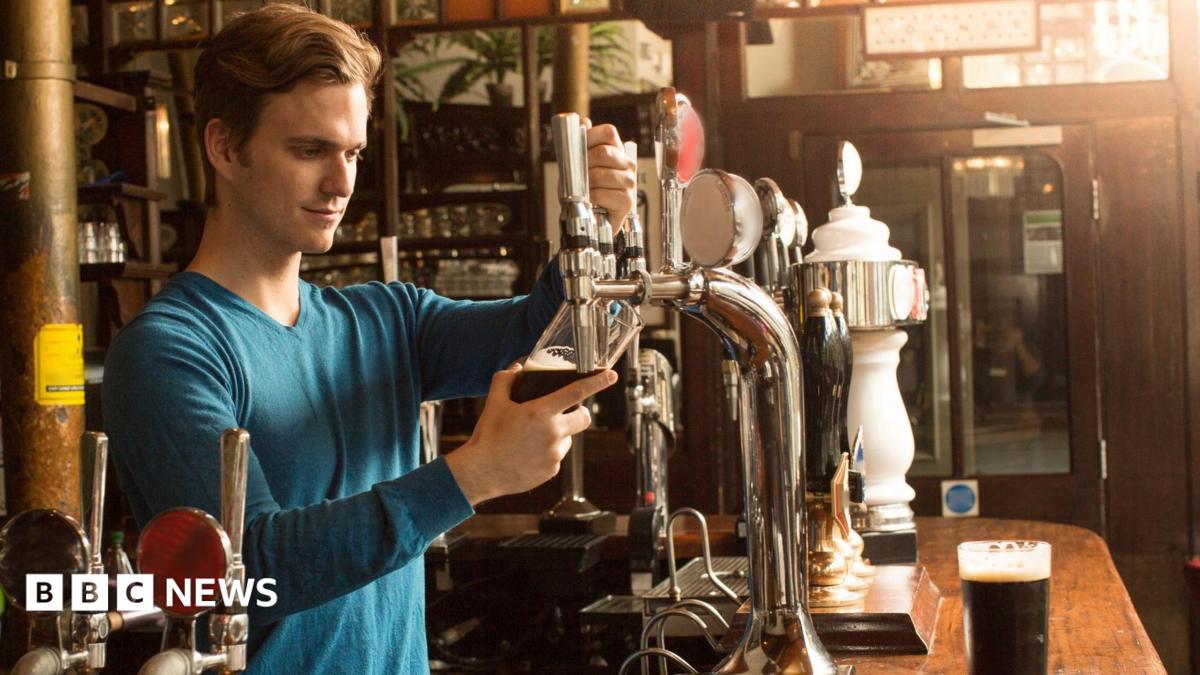
A business rates review covering pubs and hotels in England and Wales has been launched by the Treasury, with the findings expected to inform changes to how properties are valued.
Jerry Schurder, a business rates expert and former policy lead at advisory firm Newmark UK, will lead the review. He is due to report back in March 2027, ahead of the next business rates revaluation in 2029.
The Treasury is seeking views from landlords, hoteliers and other business owners as part of the process. Financial Secretary to the Treasury James Murray said the review would consider “a rethink of valuations” to help create what he described as a fairer system.
Business rates review follows pressure on pubs
The review comes after sustained criticism from the hospitality industry over the level and method of business rates charged to pubs. The British Beer and Pub Association (BBPA) says pubs are assessed differently from retail businesses, using a measure known as Fair Maintainable Trade.
Under that approach, a pub’s estimated trading performance is taken into account. The BBPA says this means that when a pub’s turnover rises, its business rates bill can also increase, rather than the charge being based only on the size of the premises.
Emma McClarkin, chief executive of the BBPA, said pubs had paid disproportionately high bills for years, limiting their ability to remain open. She described the review as both necessary and welcome.
The organisation said 161 pubs closed during the first three months of the year across England, Scotland and Wales. It estimated that around 2,400 jobs were lost. Rising business rates are one of the pressures cited by the sector, alongside higher National Insurance contributions and increases to the minimum wage, which have raised staff costs.
Relief for English pubs
Last month, Andy Burnham announced a 20% cut in business rates for pubs, social clubs and live music venues in England. The reduction is due to begin in April and will be added to existing support.
The government had previously said it would reduce business rates discounts introduced during the Covid pandemic under former chancellor Rachel Reeves. It also announced that there would be no discount from April this year. At the same time, large increases in the rateable values of some pub premises raised concerns about substantially higher bills.
After criticism from hospitality businesses, the government introduced a 15% cut in business rates for pubs and music venues earlier in 2026. The 20% reduction announced in July is intended to apply on top of that existing support.
However, the government has said the relief will not cover the “very largest” live music venues. Some businesses have also been uncertain about whether they will be classified as pubs and qualify for the reduction. Further details on eligibility are expected at Chancellor John Healey’s first Budget in the autumn.
Calls for wider reform
Business groups welcomed the appointment of Mr Schurder but said the review should not focus only on pubs and hotels. Craig Beaumont of the Federation of Small Businesses said the Treasury needed to address the wider system and increase the threshold for rates relief so more small firms could be exempt.
Tom Ironside of the British Retail Consortium also backed the review, while stressing that the needs of retailers must not be overlooked. Retail businesses have called for broader reform of business rates rather than measures limited to hospitality.
Opposition parties said the government’s action had come too late. Shadow Chancellor Sir Mel Stride described the review as overdue for a sector he said had been damaged by tax increases on premises and jobs, as well as regulation in the Employment Rights Act.
Daisy Cooper, the Liberal Democrat Treasury spokesperson, said reform was long overdue. She also called for an emergency reduction in VAT and for changes to jobs-related tax measures to be reversed, arguing that hospitality had been particularly affected.
The business rates review will now gather evidence from affected industries before reporting in March 2027. Its recommendations could shape how valuations are carried out at the 2029 revaluation.
Source: BBC News