
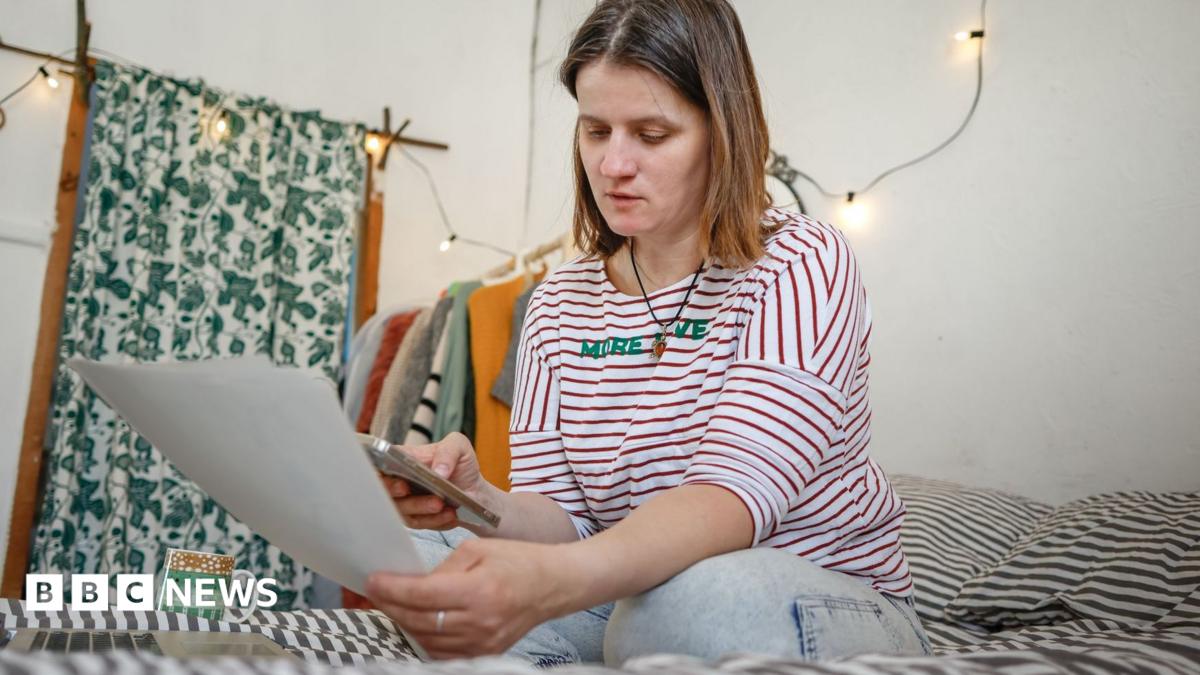
HM Revenue and Customs (HMRC) will contact eligible low earners, mostly women and mostly of working age, about one-off low earner’s pension payments for people who missed out because of how their workplace pension was administered.
How payments will be made
HMRC will contact eligible people automatically by letter or through their online personal tax account, and will write to people over the next few months. One million people are expected to receive letters explaining how they may be eligible for top-up payments.
Eligible customers do not need to apply, but they must respond through official HMRC channels to receive the payment. Customers will be asked to provide their bank details through their personal tax account. Customers who are digitally excluded will be able to phone HMRC to accept their payment.
Who the payment is for
The payment is intended for low earners who missed out on money because of how the pension they pay into was administered. Some low earners received less because their employer used a Net Pay Arrangement pension scheme rather than a Relief at Source scheme. Employees have no control over the type of pension scheme their employer uses.
The single payment initially relates to the 2024-25 tax year. Automated annual payments for people in the same situation in later years could be paid subsequently.
Eligible people will typically be due £70, although the amount may vary considerably depending on their circumstances. People who qualify would typically have earned close to, but not more than, £12,570 a year.
A HMRC spokesman said: “Customers can check a letter is genuine on Gov.uk and should only respond via official HMRC channels.”
Sir Steve Webb said: “The process of getting these payments to the right people is going to be incredibly painful and there is a real risk of huge non take-up.” He added: “It is vital that communications are effective to make sure that people get the money to which they are entitled.”
Source: BBC News