

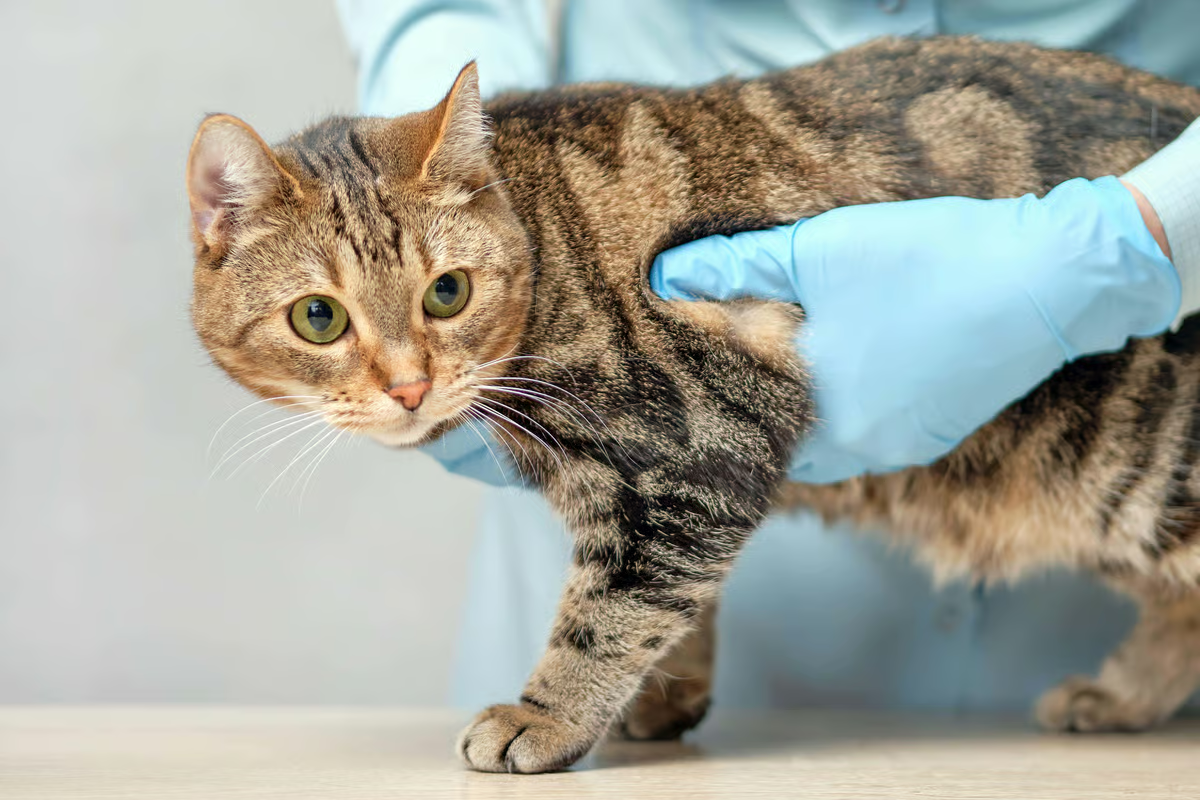
The Competition and Markets Authority has published the Veterinary Services Market Investigation Order 2026, bringing reforms from its investigation into the veterinary sector into law.
Vet practices will soon be legally required to make their prices clearer to pet owners. By December, many owners are expected to find it easier to compare practices through standardised treatment names and descriptions, alongside clearly displayed prices.
More information on costs and treatment choices
Under the new laws, pet owners are entitled to clear breakdowns of pet care plans containing standardised information on costs. Practices must also tell owners in advance what they will pay for an out-of-hours emergency.
End-of-life options, including home burial and cremation, must be presented equally, with prices provided before decisions are made. Pet owners will also be entitled to see who owns a veterinary practice, compare prices for common medicines and treatments, and benefit from a cap on written prescription fees.
The order makes it easier for veterinary practices to switch out-of-hours providers rather than being locked into a contract, with the aim of allowing them to offer quality and value to pet owners.
Changes will be phased in
Larger veterinary businesses must comply with changes to price lists and pet care plans, among other measures, from December 22 this year. Smaller firms have longer to introduce the changes but must have them in place by this time next year.
Further reforms will be phased in during March, June and September next year. They will cover prescription fees, information about obtaining prescriptions to buy medicines elsewhere, in-house complaints processes, written estimates and itemised bills.
The CMA said its investigation found that many pet owners lacked basic information needed to make informed decisions about veterinary services, while weak competition was leading to poorer outcomes for consumers.
Martin Coleman, chairman of the independent Inquiry Group, said the reforms marked “a significant milestone in the biggest reform of veterinary services in a generation” and would make a difference to millions of pet owners across the UK.
He said that by the end of this year many owners would know the upfront cost of basic services such as consultations and vaccinations, receive clear care-plan breakdowns and later receive written estimates for higher-cost treatments.
British Veterinary Association president Rob Williams said that, at first glance, practices were for the most part already complying with the orders, particularly on estimates for routine procedures, complaints handling and written prescriptions.
Which? head of consumer rights policy Sue Davies said too many pet owners who had a poor experience with their vet felt the system was stacked against them. She said the investigation should help prevent overpriced medicines, hidden fees and unclear pricing, but added that the Government should continue reforms prioritising an independent regulator and a dedicated veterinary ombudsman.
Source: Evening Standard